

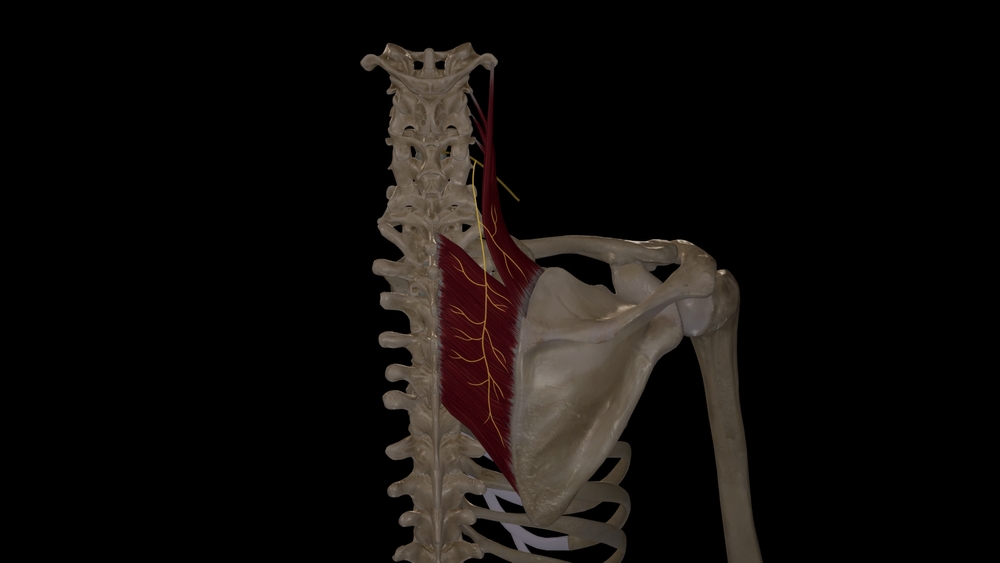
Pain along the inside border of the shoulder blade is a common complaint. Some people notice it after long hours at a desk, while others experience it during gym training, lifting, sport or repetitive work tasks.
In many cases, the pain settles with time, activity modification and exercise. However, some people find themselves stuck in a cycle where symptoms improve temporarily before returning again.
If that sounds familiar, it may be worth considering whether the painful area is telling the whole story.
When Is Shoulder Blade Pain Worth Getting Assessed?
Not every ache or pain requires professional treatment. However, a physiotherapy assessment may be helpful if you notice that:
- Symptoms keep returning despite stretching, massage or self-management
- Pain is affecting your ability to work, train or participate in sport
- The area feels weak or fatigues more quickly than expected
- Overhead activities consistently aggravate symptoms
- You feel like you’re constantly treating the same spot without lasting improvement
- Pain has been present for several weeks without significant improvement
These signs do not necessarily indicate a serious problem, but they may suggest that the factors driving your symptoms have not yet been fully identified.
Isn’t It Just a Tight Rhomboid?
Sometimes it is.
The rhomboid muscles sit between the spine and shoulder blade and can be a common source of pain in this region. When they become overloaded, irritated or de-conditioned, they can become painful and sensitive.
However, the rhomboids do not work in isolation. Their function is influenced by the neck, shoulder, thoracic spine and the dorsal scapular nerve, which supplies the muscles and helps them function normally.
This means that the painful muscle is not always the only contributor to symptoms.
Why Does This Area Sometimes Become Difficult to Treat?
One reason is that several different problems can create very similar symptoms.
People with shoulder blade pain often report:
- Pain in the same location
- Tenderness over the rhomboid region
- Discomfort with lifting or pulling
- Fatigue around the shoulder blade
- Reduced confidence using the arm overhead
As a result, it can be easy to focus entirely on the sore muscle while overlooking other factors that may be contributing to the problem.
This is often why some people may find temporary relief from massage, needling or hands-on treatment, only for symptoms to return once they resume their usual activities. But if symptoms repeatedly return when normal activities resume, other contributing factors may need to be considered.
What Is a Physiotherapist Looking For?
A physiotherapy assessment is not simply about locating where the pain is.
Instead, the goal is to understand why that area has become painful.
Depending on the presentation, a physiotherapist may assess:
- Shoulder blade movement and control
- Strength and endurance around the shoulder
- The neck and upper back
- Training loads and work demands
- Aggravating movements and positions
- Whether the symptoms behave like a local muscle problem or whether other contributing factors may be involved
The aim is to identify the factors driving the symptoms rather than simply treating the location where pain is felt.
What Does Treatment Usually Involve?
Treatment depends on the findings of the assessment.
If the pain appears to be primarily related to muscular overload or reduced capacity, treatment may focus on:
- Strengthening exercises
- Improving shoulder blade control
- Gradually rebuilding tolerance to work, sport or gym activities
- Addressing contributing movement patterns
If other contributing factors are identified, treatment may also include:
- Improving neck and upper back mobility
- Modifying aggravating activities
- Addressing loading and recovery strategies
- Improving movement efficiency during work, training or sport
For some people, hands-on treatment may help reduce pain and improve movement, but long-term success usually comes from addressing the factors that caused the problem in the first place.
The Bottom Line
Pain between the shoulder blade and spine is often assumed to be a “tight rhomboid”, but recurring symptoms are not always that straightforward.
If you find yourself repeatedly treating the same area without lasting improvement, it may be worth seeking an assessment to understand what is driving the problem.
Sometimes the painful muscle is the source of the issue. Sometimes it is simply the area where the symptoms are being felt.
The key is identifying the difference so treatment can be directed towards the cause, not just the symptom.