

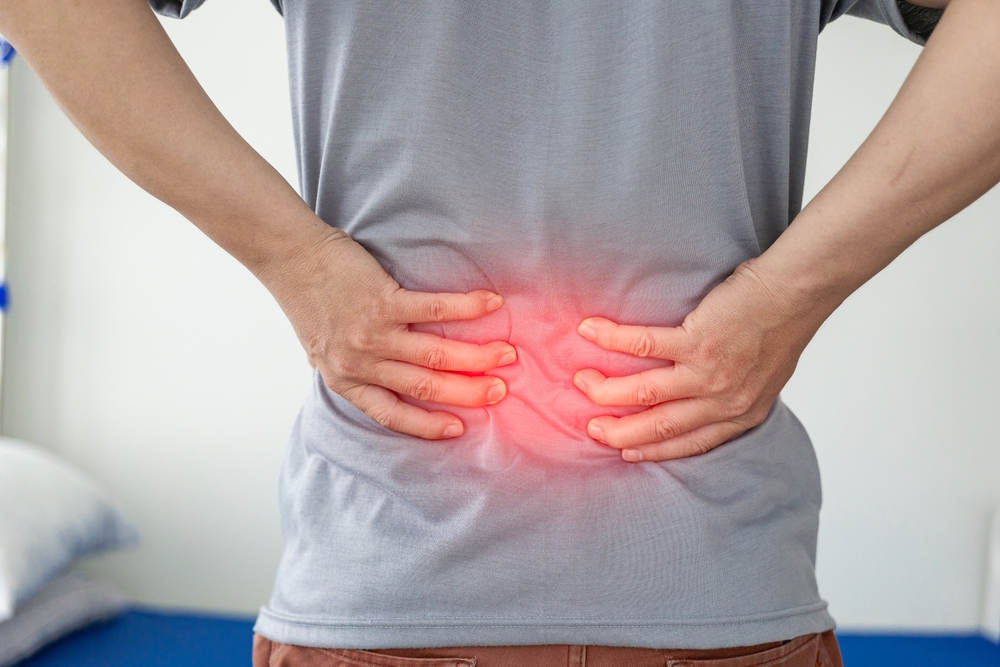
Chronic lower back pain (CLBP) is one of the leading causes of disability worldwide, affecting quality of life, work capacity, and overall wellbeing. For clinicians and patients alike, the key question remains: what actually works?
What Is Chronic Lower Back Pain?
Chronic lower back pain is typically defined as pain persisting for more than 12 weeks. Unlike acute episodes, which often resolve naturally, chronic pain is more complex and influenced by physical, psychological, and social factors.
What Does Evidence Tell Us?
Physiotherapy interventions for chronic lower back pain found that:
- Exercise-based physiotherapy interventions are effective in reducing pain
- No single type of exercise (e.g. strengthening, stretching, stabilisation) is clearly superior
- Outcomes are generally improved when exercise is tailored to the individual
This highlights a key takeaway: movement is medicine—but it must be personalised.
Key Components of Effective Management
- Exercise Therapy (The Cornerstone)
Exercise remains the most consistently supported intervention in the literature. Programs may include:
- Strength training
- Flexibility and mobility work
- Aerobic exercise
- Motor control/stabilisation training
- A Multimodal Approach
Chronic pain is rarely solved with a single intervention. Research supports combining:
- Exercise therapy
- Manual therapy
- Education
- Psychological strategies
- Education and Self-Management
Education plays a crucial role in reducing fear, improving movement confidence, and preventing recurrence. Patients benefit from understanding:
- Pain does not always equal damage
- Movement is safe and beneficial
- Long-term management is more effective than passive treatments
- Individualised Care
No two patients present the same way. Emerging research highlights the importance of:
- Tailoring treatment to patient goals
- Addressing psychosocial factors (stress, fear avoidance, beliefs)
- Adapting exercise intensity and type
What About Passive Treatments?
Modalities such as massage, electrotherapy, or passive modalities may provide short-term relief—but evidence suggests they should not be used in isolation. Instead, they are best used to support active rehabilitation, not replace it.
Practical Takeaways for Patients
If you’re managing chronic lower back pain, evidence suggests:
- Stay active—avoid prolonged rest
- Commit to a structured exercise program
- Focus on gradual progression, not perfection
- Seek personalised physiotherapy guidance
- Address lifestyle factors (sleep, stress, activity levels)
