

Get stronger. Move better. Train smarter.
What is the Teen Strength & Movement Program?
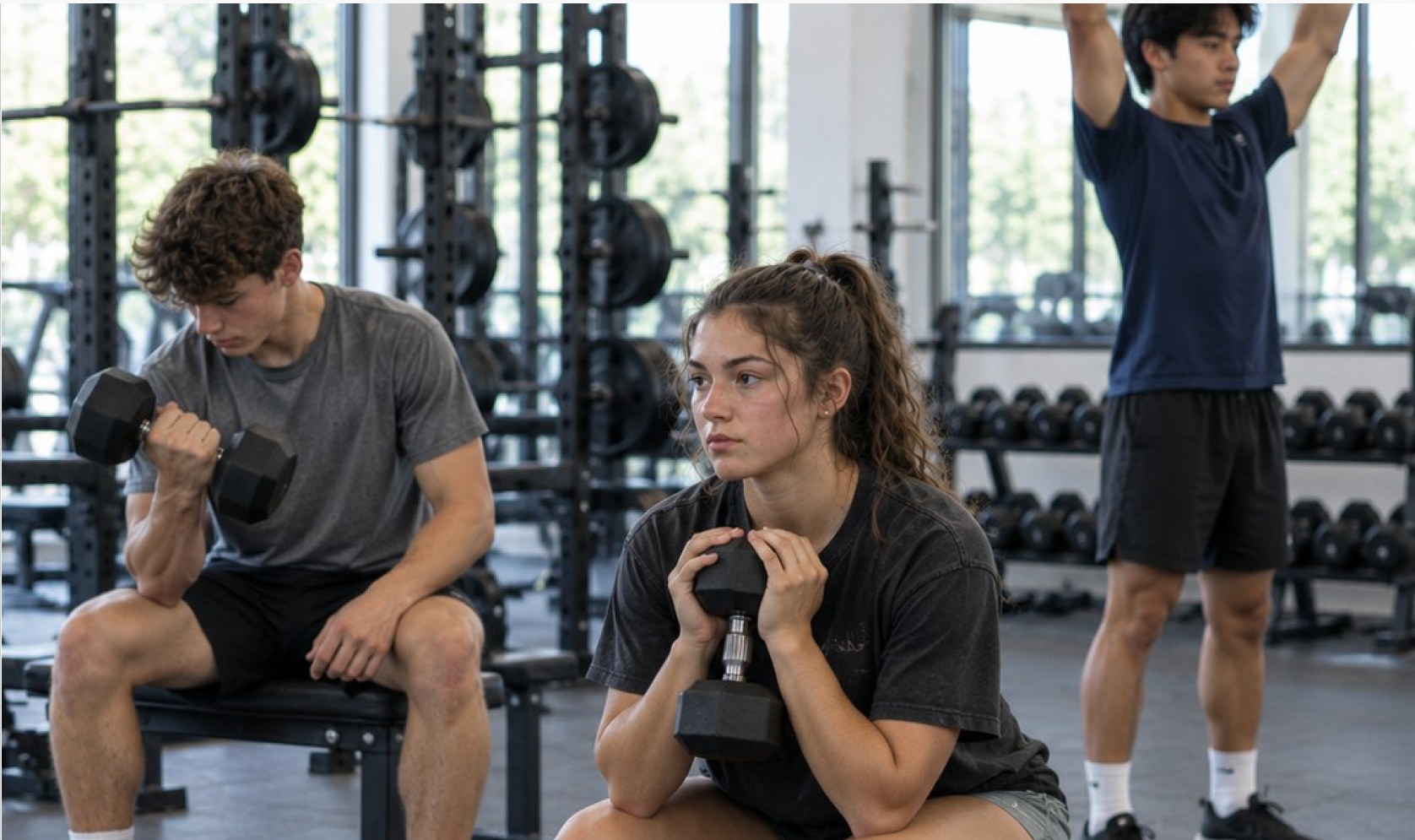
A physiotherapist-led strength program for teenagers aged around 12 to 19, whether they play sport, are curious about the gym, or are somewhere in between. More teens than ever are starting strength training, often guided by social media. Over six one-on-one sessions, a physiotherapist teaches the key lifts, how to choose the right weight and how to progress training sensibly. No gym exp
What it can help with
- Learning good lifting technique from the start
- Choosing appropriate weights and progressing training sensibly
- Building strength to support sport, fitness and everyday activity
- Jumping, landing and change-of-direction technique
- Fitting strength training around sport, school and busy weeks
- Training around a past or current injury
- Understanding how to warm up, recover and adjust training when something doesn’t feel right
- Building the confidence to train independently in the gym
Your assessment
Session 1: Initial assessment (60 minutes)
- Goals and background: a conversation about your teenager’s goals, the sports and activities they do, any training they’ve already started, and any past or current injuries. Parents are welcome to join this part.
- Movement screen: the physiotherapist looks at squatting, hinging, pushing, pulling, jumping and landing.
- Baseline testing: strength and confidence measures are recorded, giving a starting point to measure progress against.
- Program design: the results shape a program suited to your teenager’s age, stage of development, sport and experience.
Your program
Sessions 2 to 5: Coaching (4 × 30 minutes)
- Key lifts: learning and refining technique for the main strength exercises.
- Choosing the right weight: how to select a starting load and when to increase it.
- Jumping and landing: technique for jumping, landing and changing direction.
- Training around sport: how to plan strength sessions around games, training and school commitments.
- Progression: each session builds on the last, with the program progressed as skill and confidence grow.
- Between sessions: exercises to do at home or in the gym so practice continues through the week.
- If something comes up: if an injury or niggle appears, the physiotherapist adjusts the program and advises on next steps.
Session 6: Review (45 minutes)
- Retesting: strength and technique are measured again against the starting results.
- Next steps: a plan so your teenager knows how to keep progressing on their own.
- Progress report: you receive a written summary of results and recommendations.